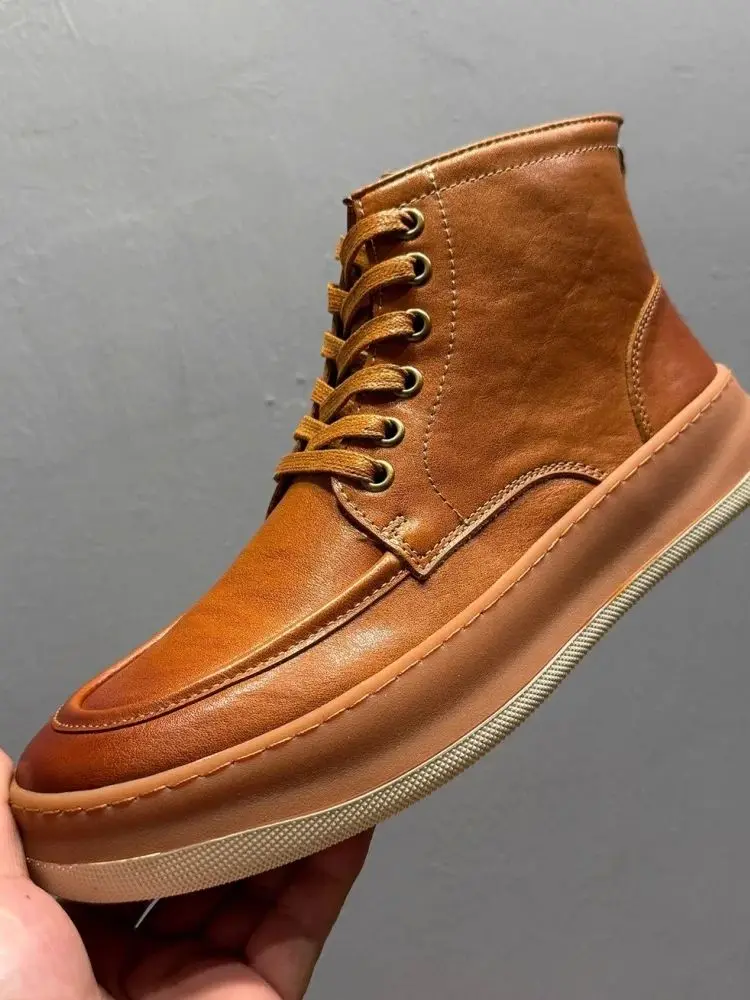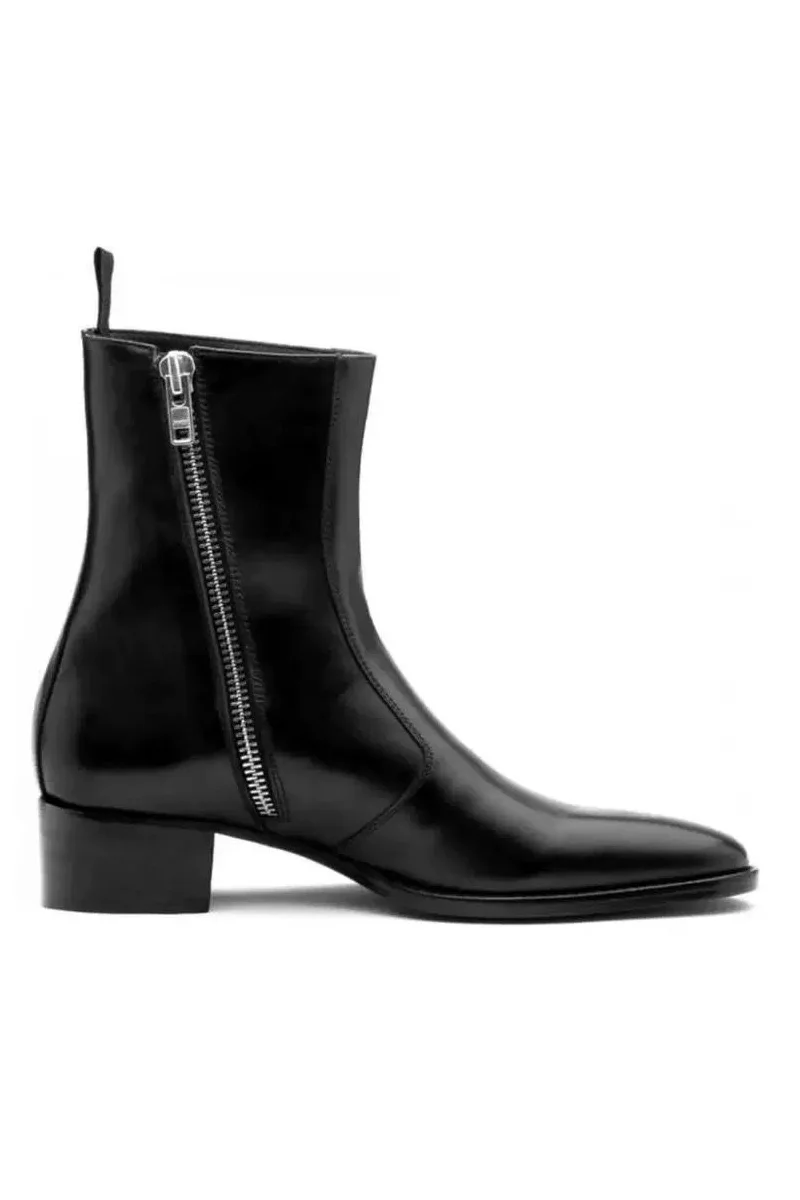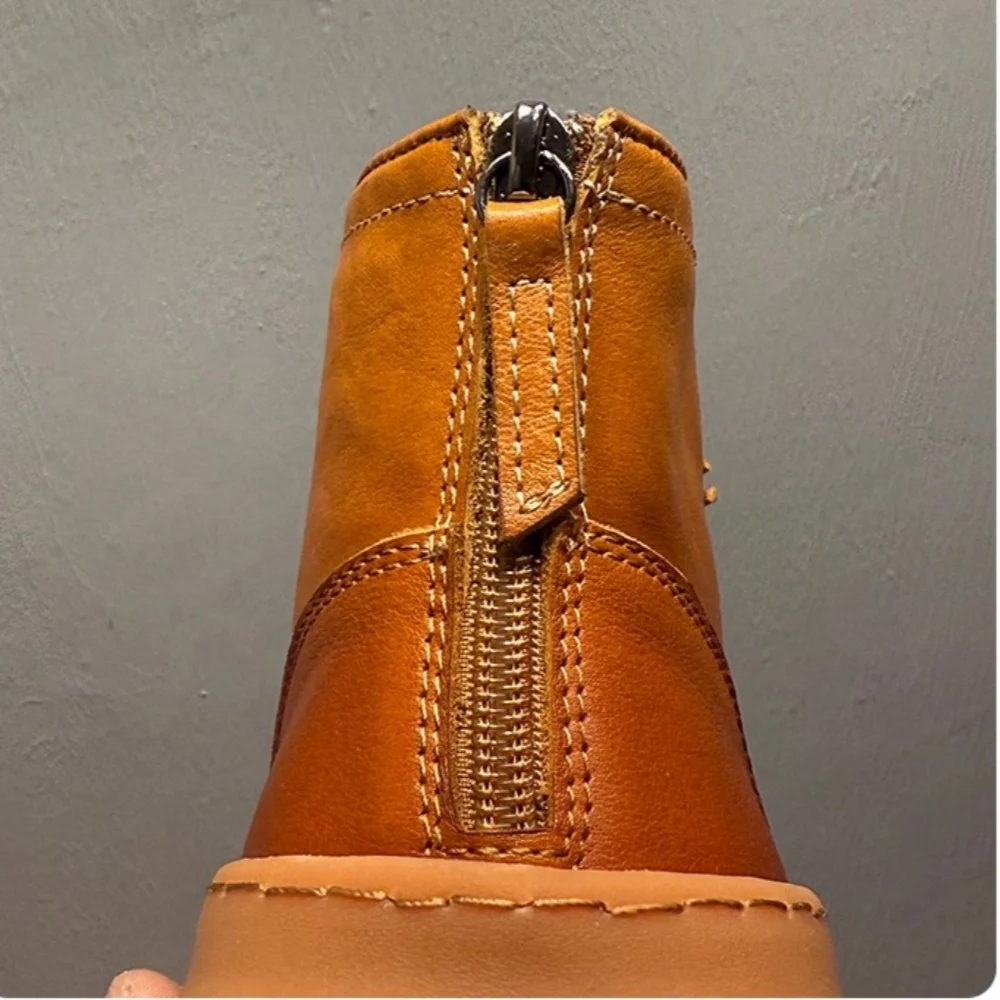
Real vs Fake Leather Shoes: How to Spot the Difference Instantly
Most fake leather looks convincing—until you wear it.
Creases turn into cracks. Shine turns into plastic. Comfort disappears.
Understanding real vs fake leather shoes isn’t just about knowledge—it’s about protecting your investment. This guide shows you exactly how to tell the difference, so you always choose quality with confidence.
Why It Matters More Than You Think
Leather isn’t just a material—it defines how your shoes perform over time.
Genuine leather:
- Adapts to your foot
- Lasts for years
- Develops a rich, natural finish
Fake (synthetic) leather:
- Stays stiff
- Wears out quickly
- Lacks breathability
When you invest in real leather, you’re buying longevity—not just appearance.
1. The Touch Test: Feel Tells the Truth
Your hands can detect what your eyes can’t.
Genuine leather feels:
- Soft but slightly textured
- Flexible, not overly smooth
- Warm and natural
Fake leather feels:
- Plastic-like or overly smooth
- Cold and uniform
- Rigid or overly stiff
Premium pieces like
Freshova™ Genuine Leather Knee-High Riding Boots – Men’s Winter Equestrian Lace-Up →
show that natural grain and softness immediately.
2. The Crease Test: Real Leather Moves Naturally
Press the surface gently.
What happens:
- Real leather: forms small, natural wrinkles
- Fake leather: stays flat or forms sharp, unnatural creases
This flexibility is what allows leather to mold comfortably over time.
3. The Smell Test: Subtle but Reliable
It sounds simple—but it works.
Genuine leather:
- Has a rich, earthy scent
Fake leather:
- Smells like plastic or chemicals
You’ll notice this difference instantly in quality builds like
Freshova™ FRS20985 Handmade Leather Winter Snow Boots Mid-Calf →
4. The Edge & Texture Check
Look closely—real leather isn’t perfect.
Genuine leather:
- Slight variations in texture
- Visible grain patterns
- Soft, fibrous edges
Fake leather:
- Uniform, repetitive patterns
- Perfectly smooth surfaces
- Synthetic backing
Even bold designs like
Freshova™ FRS20702 Handmade Motorcycle Ankle Boots – Pointed Toe Chain Winter Ankle Boots →
retain that natural inconsistency that signals authenticity.
5. The Longevity Factor: What Happens Over Time
This is where the real difference shows.
Real leather:
- Ages beautifully (develops patina)
- Becomes more comfortable
- Maintains structure
Fake leather:
- Peels and cracks
- Loses shape
- Needs frequent replacement
Timeless options like
Freshova™ Handmade Genuine Leather Desert Boots – Mid-Calf Lace-Up (FSH20795) →
prove that real leather improves with wear—not the opposite.
6. How to Identify Genuine Leather by Smell
One of the easiest ways to identify genuine leather is by its smell. Real leather has a distinctive natural aroma because it is made from animal hide. Synthetic leather often has a plastic or chemical smell.
Real leather smells like:
- Rich and earthy
- Natural and slightly woody
- Warm and distinctive
Fake leather smells like:
- Plastic or vinyl
- Chemical adhesives
- Strong synthetic odor
Pro Tip: Never rely on smell alone. Check the texture, grain, flexibility, and stitching together to accurately identify genuine leather.
You’ll notice this difference instantly in quality builds like
Freshova™ FRS20985 Handmade Leather Winter Snow Boots Mid-Calf →
7. Common Scams When Buying Leather Shoes
Buying leather shoes can be challenging because some sellers use misleading descriptions or deceptive marketing. Here are some of the most common scams to watch out for:
- Misleading Use of the Word “Genuine Leather”
Some products are labeled “Genuine Leather”, but they may be made from lower-quality leather rather than premium full-grain or top-grain leather. Always read the full product description.
- Fake Leather Sold as Real Leather
Some sellers advertise synthetic leather as genuine leather. Check the smell, texture, stitching, and grain before buying.
- Edited Product Photos
Online images can make shoes appear to be high-quality leather when they are not. Always read customer reviews and look for real customer photos.
- Prices That Are Too Good to Be True
High-quality leather shoes require quality materials and skilled craftsmanship. Extremely low prices can be a warning sign of counterfeit or low-quality products.
- Fake Brand Names
Some counterfeit shoes closely imitate well-known brands using similar logos, packaging, or product names. Buy only from trusted retailers or the brand’s official website.
- Hidden Material Information
Some sellers use vague descriptions such as “leather material” or “leather finish” without clearly stating whether the shoes are made from genuine leather or synthetic materials. Always check the materials section before purchasing.
Pro Tip: Buy from reputable retailers, read customer reviews, and ask questions if the product description does not clearly state the type of leather used.
You’ll notice this difference instantly in quality builds like
Freshova™ FRS20985 Handmade Leather Winter Snow Boots Mid-Calf →
Quick Checklist: Spot Real vs Fake Leather Fast
Choose real leather if you notice:
- Natural texture and slight imperfections
- Soft, flexible feel
- Subtle, earthy smell
- Gradual aging with character
Avoid if you see:
- Perfectly uniform surface
- Plastic shine
- Strong chemical odor
- Peeling after minimal use
Quick Picks: Authentic Leather Worth Investing In
For statement winter style:
For cold-weather durability:
For bold, modern edge:
For versatile everyday wear:
Common Buying Mistakes to Avoid
- Choosing price over material quality
- Trusting appearance alone
- Ignoring product descriptions
- Skipping brand credibility
Smart buyers don’t just look—they verify.
FAQ: Real vs Fake Leather Shoes
1. How can I tell if leather is real quickly?
Check the texture, smell, and flexibility—real leather always feels natural.
2. Does fake leather last long?
No. It typically cracks or peels much faster than genuine leather.
3. Is real leather worth the higher price?
Yes. It offers better durability, comfort, and long-term value.
4. Can fake leather look like real leather?
Initially, yes—but it doesn’t perform or age the same.
Buy Once, Choose Right
In the world of real vs fake leather shoes, the difference is clear once you know what to look for.
Real leather doesn’t just look better—it lives better, wears better, and lasts longer.
Ready to invest in the real thing?
Explore Freshova™’s genuine leather collection and choose footwear built on authenticity, craftsmanship, and lasting style.
Real vs Fake Leather Shoes: How to Spot Genuine Leather Easily
Learn how to spot real vs fake leather shoes. Discover simple tests to identify genuine leather and choose quality footwear that lasts.
To properly clean and preserve your leather, follow these professional leather conservation tips.
Read our guide on Best Casual Leather Shoes for Men: Stylish & Durable Everyday Picks →
real vs fake leather shoes, how to identify genuine leather, fake vs real leather differences, genuine leather shoe guide, how to tell real leather