Italian leather shoes for men; Choosing the right pair of Italian leather shoes is about more than finding a style that looks good. The best pair should combine quality leather, excellent craftsmanship, comfort, durability and timeless design.
Italian footwear has a long-standing reputation for attention to detail and refined finishing. However, not every shoe described as “Italian leather” will have the same quality. Understanding what to look for can help you make a confident purchase and choose footwear that complements your wardrobe for years to come.
Whether you are looking for elegant shoes for work, a sophisticated pair for special occasions, or versatile leather footwear for everyday wear, this guide will help you make the right choice.
1. Understand What Italian Leather Really Means
One of the first things to understand when shopping for Italian leather shoes is that “Italian leather” and “Made in Italy” are not necessarily the same thing.
Italian leather can refer to leather that has been tanned or processed in Italy, while “Made in Italy” generally relates to where the footwear was manufactured. For a customer looking for genuinely Italian-crafted footwear, it is worth checking the product description carefully and looking for clear information about the materials and manufacturing process.
Italy is particularly well known for traditional leatherworking regions, including Tuscany and other historic footwear-producing areas. Traditional vegetable tanning is especially associated with Tuscany, where natural tannins from trees and plants are used in the tanning process.
Quality Italian footwear is often valued for the way the leather and craftsmanship work together. A beautifully finished shoe should not only look elegant when new but should also develop character through regular wear. The Genuine Italian Vegetable-Tanned Leather Consortium explains that vegetable tanning in Tuscany combines traditional tanning knowledge with modern technology and natural tannins derived from trees and plants.
2. Choose the Right Leather Quality
The leather used for the upper is one of the most important factors to consider.For example, Freshova’s leather footwear collection includes designs featuring genuine leather and full-grain leather components.
Full-grain leather
Full-grain leather retains the natural outer surface of the hide. Because the grain is preserved, natural variations in texture may be visible. These variations are not necessarily imperfections; they can be part of the character of natural leather.
Full-grain leather can develop a distinctive patina as it ages and is maintained properly.
Corrected-grain leather
Corrected-grain leather has undergone additional surface treatment to make the appearance more uniform. It can still produce attractive footwear, but it does not have exactly the same natural surface characteristics as full-grain leather.
Bonded or heavily synthetic materials
If your priority is long-term leather quality, pay close attention to descriptions that contain vague phrases without explaining the actual material used.
The important lesson is simple:
Don’t choose a pair based solely on the words “genuine leather.” Look at the actual leather specification, construction and overall quality of the shoe.
3. Look Carefully at the Construction
Leather quality is important, but it is only part of the equation. How a shoe is constructed can have a major impact on its comfort, appearance and durability.
Common construction methods include:
Blake construction
Blake-stitched shoes are known for their relatively slim and flexible profiles. This type of construction can work particularly well with elegant Italian silhouettes because it allows the shoe to maintain a sleek appearance.
Goodyear welted construction
Goodyear welted footwear uses a welt around the edge of the shoe. One advantage is that well-made welted footwear can be repaired and resoled, potentially extending its useful life.
Neither construction method automatically makes a shoe superior. The quality of the materials, workmanship and finishing still matters.
When examining a pair, look for clean stitching, well-finished edges, a secure heel and a properly finished sole. These details can tell you a great deal about the care that went into making the footwear.
4. Check the Stitching and Finishing
Before buying, take a few moments to inspect the shoe closely.
Look at the stitching around:
- The upper
- Sole
- Heel
- Decorative panels
- Seams
The stitching should generally look neat and consistent rather than loose or irregular.
Also examine the edges of the sole. Quality finishing should look deliberate and clean, without excessive roughness or visible manufacturing flaws.
On premium footwear, finishing is one of the details that separates an ordinary pair from a truly refined pair.
5. Pay Attention to the Shoe’s Shape
Italian footwear is often associated with elegant silhouettes, but the most stylish shoe is useless if it does not fit properly.
The shape of the shoe is determined partly by its last—the form around which the shoe is constructed.
When trying on leather shoes, pay attention to:
Toe room
Your toes should have enough room to move naturally. Your toes should not be compressed against each other.
Heel
Your heel should feel secure without being painfully squeezed.
Width
The shoe should support your foot without creating excessive pressure along the sides.
Instep
The upper should sit comfortably over the top of your foot without creating uncomfortable pressure.
Remember that leather can soften and adapt with wear, but a shoe that is fundamentally the wrong size should not be expected to become the perfect fit.
6. Choose the Right Style for Your Wardrobe
Before buying Italian leather shoes, think about where you will actually wear them .From classic Derby shoes and loafers to leather boots and casual footwear, explore the Freshova™ men’s collection to find a style suited to your wardrobe.
There are several classic styles worth considering.
Oxford Shoes
Oxfords are among the most formal men’s leather shoes. They are excellent for:
- Business meetings
- Formal events
- Weddings
- Professional settings
- Smart evening occasions
A black Oxford is particularly versatile for formal wardrobes.
Derby Shoes
Derby shoes generally offer a slightly more relaxed appearance than Oxfords. They can work beautifully with:
- Business outfits
- Smart-casual clothing
- Chinos
- Tailored trousers
- Jeans, depending on the design
Loafers
Loafers are ideal when you want something sophisticated without the formality of traditional lace-up shoes.
They can be worn with:
- Tailored trousers
- Chinos
- Smart jeans
- Summer outfits
- Business-casual looks
Boots
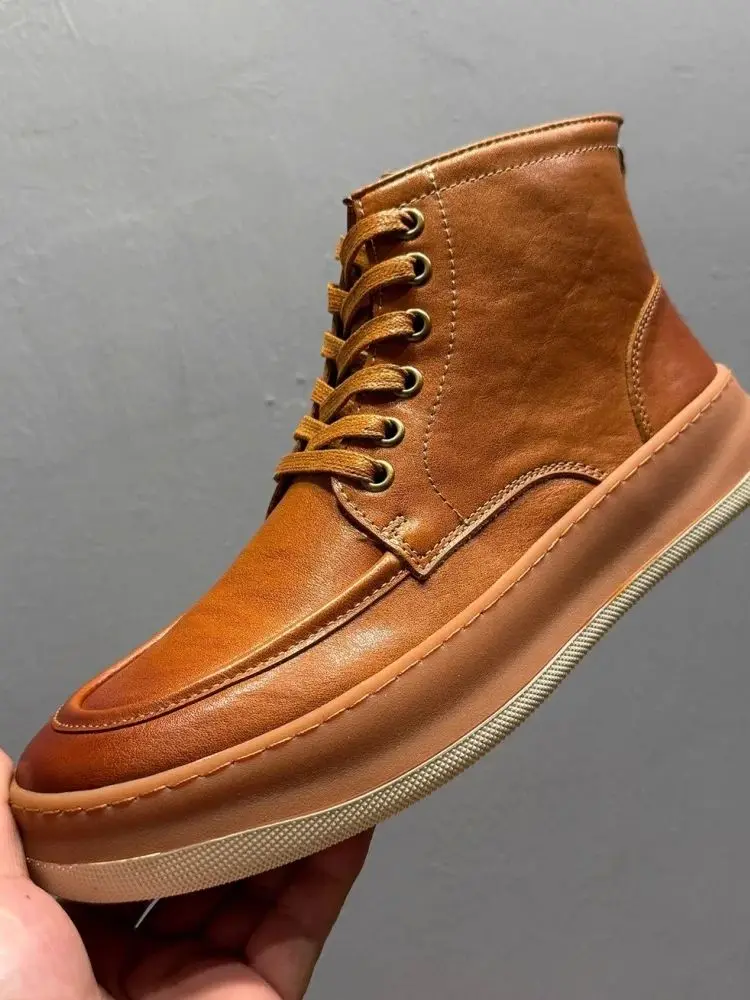
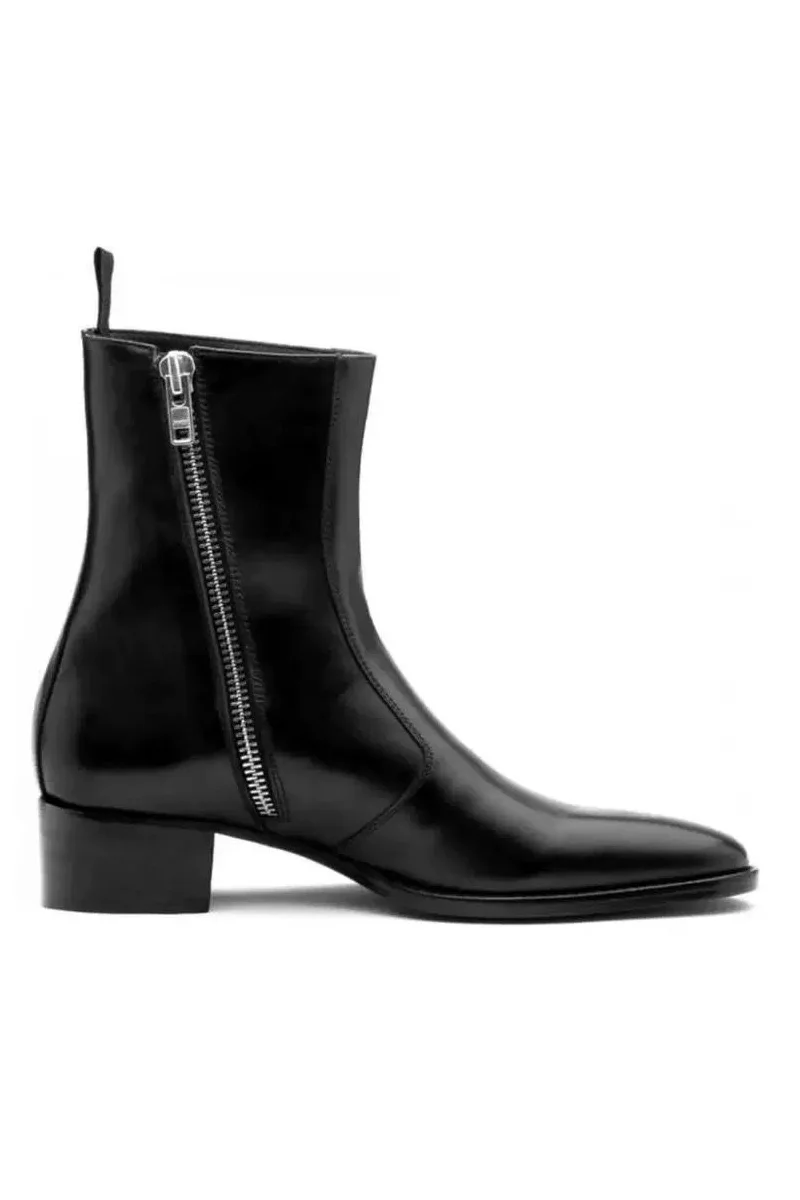
Italian leather boots can provide a balance between sophistication and practicality. Chelsea boots, ankle boots and other refined leather designs can work across different seasons and occasions.
The best choice depends on your lifestyle and wardrobe rather than simply following trends.
7. Pick a Colour That Works With Your Clothes
Colour is another important consideration.
Black
Black leather shoes are timeless and formal. They are particularly useful for business and formal occasions.
Dark Brown
Dark brown offers a sophisticated alternative to black and can work with many business and smart-casual outfits.
Cognac
Cognac leather can add warmth and personality to an outfit. It works particularly well with lighter and neutral colours.
Burgundy
Burgundy or oxblood shoes can give a classic outfit more character while remaining sophisticated.
If you are purchasing your first quality leather shoes, consider choosing a black or dark brown pair because they can be easier to incorporate into an existing wardrobe.
8. Don’t Ignore Comfort
A beautiful shoe should also be comfortable. When shopping online, always check the individual product description and sizing information before ordering. For example, some Freshova footwear styles include specific fit guidance to help customers select the appropriate size.
When shopping online, don’t focus only on photographs. Check the product information for details about:
- Leather type
- Lining
- Sole material
- Construction
- Available sizes
- Fit information
- Returns policy
If you are shopping in person, walk around in the shoes for several minutes if possible.
Your feet should feel supported without excessive pressure.
For online purchases, always check the retailer’s sizing information because sizes can vary between brands and designs.
9. Consider Where You Will Wear the Shoes
Think about your daily routine.
If you spend most of your day in an office, a refined Oxford, Derby or loafer may be ideal.
If you travel frequently, you may prefer a versatile shoe that works with several outfits.
If you walk extensively, sole construction and comfort should be given greater importance.
If you attend formal events regularly, investing in a classic pair of premium leather dress shoes can make sense.
The best shoe is not necessarily the most expensive one. It is the one that fits your lifestyle and gives you the combination of appearance, comfort and quality you actually need.
10. Learn How to Recognise Natural Leather
Natural leather can have subtle differences in colour, texture and grain.
Don’t automatically assume that a completely uniform surface means superior quality.
Natural leather can contain small variations because it comes from an organic material. Traditional vegetable-tanned leather, for example, can develop deeper and warmer tones over time and with use.
These changes can contribute to the individuality of the footwear.
This is one reason quality leather shoes can become more personal with age rather than simply looking older.
11. Think About Long-Term Value
A quality pair of leather shoes should be considered beyond the initial purchase price.
A cheaper pair that needs to be replaced frequently may ultimately cost more than a well-made pair that is properly maintained.
Look at:
Material + construction + comfort + versatility + maintenance + expected longevity
rather than simply asking:
“How much does it cost?”
A well-made shoe can become one of the most valuable pieces in your wardrobe because you can wear it repeatedly across different occasions.
Quality footwear can also be more sustainable from a wardrobe perspective when it is maintained and repaired rather than frequently replaced.
12. Take Care of Your Italian Leather Shoes
Even excellent leather needs proper care.
After wearing your shoes:
Allow them to rest
Avoid wearing the same leather shoes every day if possible. Giving footwear time to dry and recover between wears can help maintain its condition.
Keep them clean
Remove dust and dirt regularly with a suitable soft brush or cloth.
Condition the leather
Use an appropriate leather conditioner when necessary. Avoid using products that are not designed for the particular type of leather.
Protect the shape
Shoe trees can help maintain the shape of leather footwear between wears.
Store them properly
Keep your shoes in a cool, dry environment away from excessive heat and moisture.
Good maintenance can help preserve the leather’s appearance and extend the useful life of your footwear.
13. Don’t Buy Italian Leather Shoes Based on the Label Alone
One of the biggest mistakes buyers can make is assuming that the word “Italian” automatically means premium quality. For customers interested in authenticity and traceability, the Genuine Italian Vegetable-Tanned Leather Consortium also explains how its trademarked certificate can identify the tannery supplying the leather and the manufacturer of the finished product.
A sophisticated buyer looks beyond the label.
Ask:
- What type of leather is used?
- Where was the leather sourced or tanned?
- Where was the shoe manufactured?
- What construction method was used?
- How well is the shoe finished?
- Does the shoe fit properly?
- Is the design versatile?
- Does the retailer provide clear product information?
- What happens if the size isn’t right?
Transparency is important when purchasing premium footwear.
The strongest brands make it easier for customers to understand what they are buying.
Why Italian Leather Shoes Are Worth Considering
Italian leather footwear can bring together several qualities that men look for in a great pair of shoes: elegance, craftsmanship, comfort and character.
Traditional Italian leatherworking has a long history, while modern Italian footwear continues to combine craftsmanship with contemporary design. In regions associated with vegetable tanning, traditional techniques have also evolved alongside modern production methods.
For the customer, the result can be footwear that feels refined without being overly complicated.
Whether you choose an Oxford for formal occasions, a Derby for everyday business wear, a loafer for smart-casual outfits or a leather boot for versatile styling, the right pair can become a dependable part of your wardrobe. The Tuscan leather tradition is supported by specialist tanneries and long-established craftsmanship, with the Genuine Italian Vegetable-Tanned Leather Consortium working to protect the quality and heritage of vegetable-tanned leather.
Final Thoughts
Choosing the perfect Italian leather shoes doesn’t have to be complicated.
Start with quality leather. Examine the construction and finishing. Make sure the fit is comfortable. Choose a style and colour that work with your wardrobe, and consider how frequently and where you will wear the shoes.
Most importantly, don’t buy simply because a shoe looks luxurious in a photograph. Look at the details behind the product.
A genuinely good pair of leather shoes should give you more than an attractive appearance. It should provide comfort, craftsmanship and confidence every time you put it on.
At Freshova™, we believe footwear should combine refined design with quality materials and a timeless sense of style. Whether you’re dressing for business, a special occasion or simply want to elevate your everyday wardrobe, choosing the right leather footwear is an investment in how you look and feel.
Step into quality. Step into confidence. Step into Freshova™.